The Gluteus Medius: A Runner’s Secret Weapon Against Injury
If you’ve ever dealt with knee pain or plantar fasciitis, you know how frustrating it is. I’ve been there — the aching knee after every run, the stabbing heel pain first thing in the morning, the feeling that something in my stride just wasn’t right.
For a long time, I tried to fix the symptoms: stretching, icing, new shoes, massage guns, insoles. Some things helped temporarily, but nothing solved the root problem.
The breakthrough came when I learned about a small but powerful muscle on the side of the hip: the gluteus medius.
Strengthening this one muscle changed everything — my knee pain improved, my plantar fasciitis calmed down, and my running became smoother and more efficient.
Here’s why.
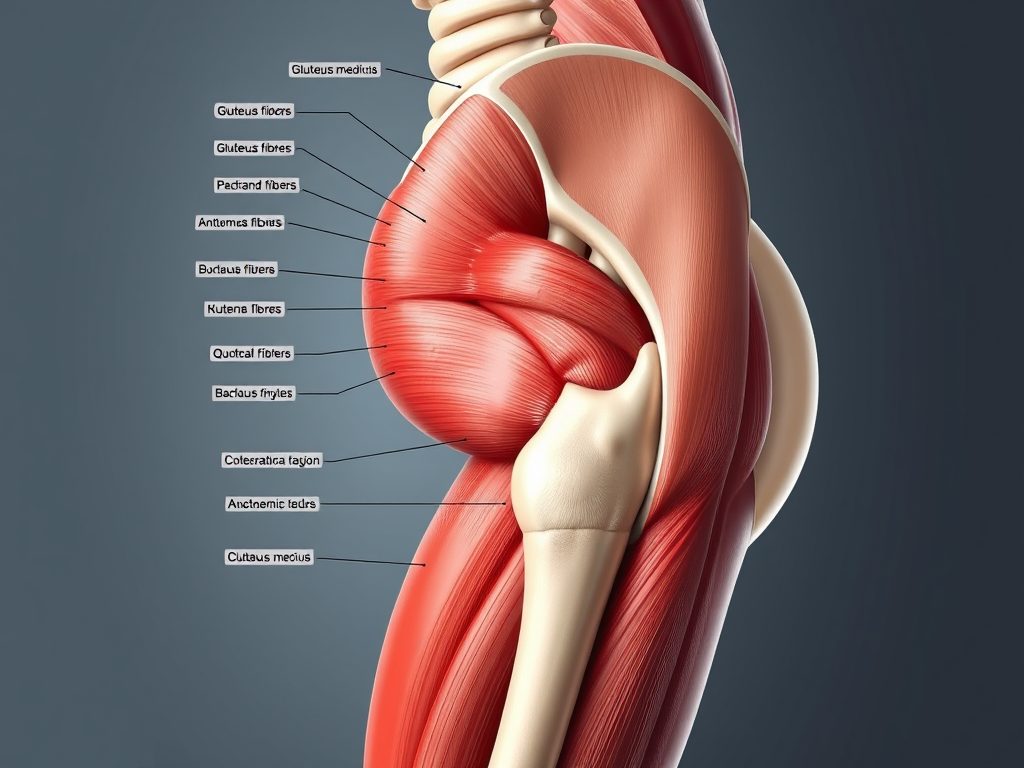
The Gluteus Medius: The Muscle That Holds Everything Together
The gluteus medius sits on the outside of your hip and acts as your body’s primary stabilizer when you’re on one leg. Since running is basically a series of single‑leg landings, this muscle works constantly.
When it’s strong, your pelvis stays level, your knee tracks straight, and your foot lands in a stable position.
When it’s weak, everything collapses inward — and that’s where injuries begin.
How a Weak Gluteus Medius Causes Knee Pain
This was the missing link for me.
When the gluteus medius can’t control hip rotation, the knee collapses inward with every step. This inward collapse (valgus) puts stress on:
-
the patella (kneecap)
-
the IT band
-
the cartilage under the knee
-
the tendons around the joint
Over time, that repetitive stress becomes pain.
Once I started strengthening my gluteus medius, my knee stopped wobbling, my stride felt more stable, and the pain gradually faded.
How It Contributes to Plantar Fasciitis
This part surprised me.
A weak gluteus medius causes the entire leg to rotate inward. When that happens:
-
the arch collapses
-
the foot overpronates
-
the plantar fascia gets overstretched
-
the heel absorbs more impact
I kept trying to fix my foot, but the real problem was higher up the chain.
After a few weeks of targeted glute medius work, my foot strike improved, my arch felt more supported, and the morning heel pain started to ease.
How Strengthening the Gluteus Medius Improves Running
Once the pain started to fade, I noticed something else: I was running better.
A strong gluteus medius gives you:
A smoother, more efficient stride
Less side‑to‑side movement, more forward momentum.
Better balance and control
Especially on uneven surfaces or during long runs.
More powerful push‑off
Because the glute max can fire properly when the hip is stable.
Less fatigue
Your body wastes less energy correcting poor alignment.
It’s amazing how much easier running feels when your hips are doing their job.
The Exercises That Made the Biggest Difference
You don’t need heavy weights or long workouts. These simple moves, done consistently, changed everything for me:
-
Lateral band walks
-
Clamshells
-
Side‑lying leg raises
-
Monster walks
-
Single‑leg glute bridges
-
Step‑downs
-
Single‑leg deadlifts
Just 10 minutes, 3–4 times a week is enough to feel a difference.
The Bottom Line
If you’re dealing with knee pain, plantar fasciitis, or just want to run more efficiently, strengthening your gluteus medius is one of the smartest things you can do.
For me, it was the missing piece — the reason my injuries kept coming back and the reason my stride felt unstable. Once I started training this muscle, everything changed: less pain, better form, and more enjoyable running.
Sometimes the solution isn’t where the pain is — it’s where the stability begins.
 NoMorePoorDad.com
Leave a comment